 Suomi
Suomi English
 Español
  Português
  русский
  Français
  日本語
日本語  Deutsch
  tiếng Việt
  Italiano
  Nederlands
  ภาษาไทย
  Polski
  한국어
한국어  Svenska
  magyar
  Dansk
Dansk  العربية
  ελληνικά
  český
český 
How Does Stamping Processing Improve Manufacturing Efficiency?
Summary: Stamping processing is a crucial manufacturing method that transforms flat metal sheets into precise, durable components for various industries. This article explores the entire stamping process, its advantages, challenges, and practical solutions, helping businesses enhance productivity and reduce production costs.
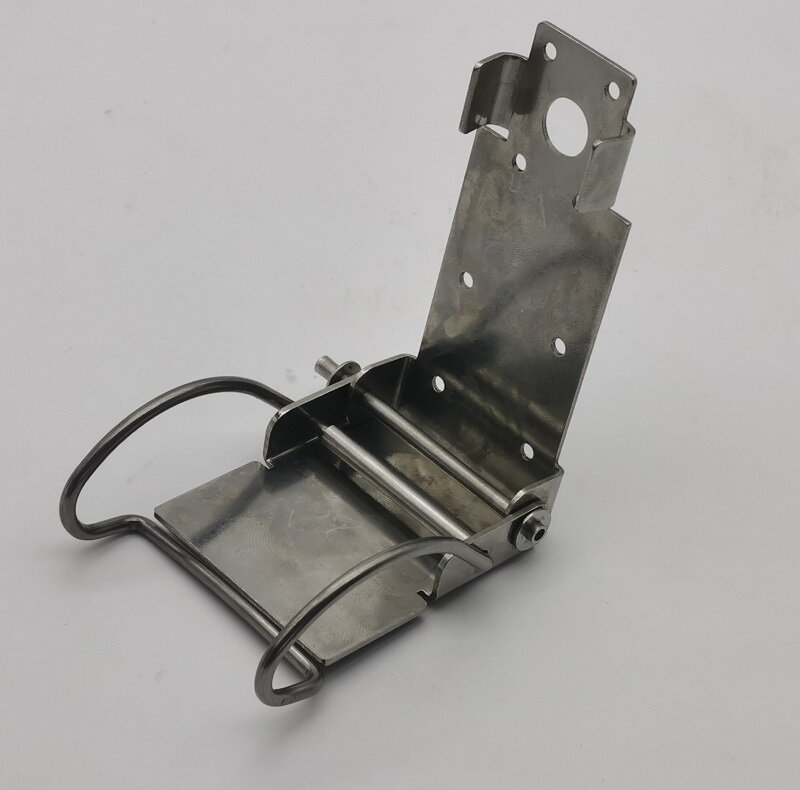
Table of Contents
- Introduction to Stamping Processing
- Key Steps in Stamping Processing
- Types of Stamping Techniques
- Advantages of Stamping Processing
- Common Challenges and Solutions
- Applications Across Industries
- Frequently Asked Questions
- Conclusion
Introduction to Stamping Processing
Stamping processing is a precision manufacturing technique that involves shaping and cutting metal sheets into desired forms using dies and presses. This method is widely adopted in automotive, electronics, and appliance industries due to its high efficiency and cost-effectiveness. Ningbo Jinggang Machinery Co, Ltd. has specialized in providing advanced stamping solutions for decades, ensuring high-quality results and reliable performance for clients worldwide.
Key Steps in Stamping Processing
The stamping process can be divided into several critical steps:
- Material Selection: Choosing the appropriate metal sheet type, thickness, and strength according to product requirements.
- Die Design: Crafting dies that determine the shape, accuracy, and consistency of the stamped components.
- Blanking: Cutting raw metal sheets into manageable pieces, called blanks, to prepare for further processing.
- Forming: Applying pressure using stamping presses to shape the metal according to die specifications.
- Piercing and Trimming: Creating holes or trimming excess material to meet precise product dimensions.
- Finishing: Polishing, coating, or heat-treating components to enhance durability and appearance.
These steps ensure high repeatability and reduce material waste, which is essential for modern manufacturing demands.
Types of Stamping Techniques
Stamping processing encompasses multiple techniques, each suited for specific applications:
| Technique | Description | Typical Applications |
|---|---|---|
| Blanking | Cutting flat shapes from metal sheets. | Automobile panels, appliance components |
| Bending | Forming metal sheets into angles or curves. | Brackets, frames, housings |
| Piercing | Creating holes or slots in metal sheets. | Electrical parts, metal enclosures |
| Deep Drawing | Transforming flat sheets into 3D shapes. | Kitchenware, automotive fuel tanks |
| Embossing | Adding raised or recessed patterns. | Decorative panels, branding logos |
Advantages of Stamping Processing
Stamping processing offers significant benefits for manufacturers:
- High Precision: Achieves consistent component dimensions, reducing errors and assembly issues.
- Cost Efficiency: Suitable for high-volume production, lowering per-unit costs.
- Material Optimization: Minimizes waste with precise cutting and forming.
- Versatility: Handles a wide range of metals and thicknesses for diverse applications.
- Speed: Automated stamping presses enable rapid production cycles.
Common Challenges and Solutions
Despite its advantages, stamping processing may face several challenges. Here’s how Ningbo Jinggang Machinery Co, Ltd. helps overcome them:
- Tool Wear: Frequent die maintenance and high-quality materials reduce tool degradation.
- Material Springback: Precision die design and advanced press controls ensure accurate shapes.
- Surface Defects: Surface coatings and lubricants minimize scratches and burrs.
- Complex Shapes: Multi-stage stamping and progressive dies enable complex designs without compromising efficiency.
Applications Across Industries
Stamping processing is applied widely in multiple sectors:
- Automotive: Body panels, brackets, chassis components
- Electronics: Housings, connectors, heat sinks
- Appliances: Washing machines, refrigerators, kitchen equipment
- Medical Devices: Surgical tools, implant components
- Construction: Metal fasteners, support brackets, panels
Frequently Asked Questions
-
Q1: What materials can be stamped?
A1: Common metals include steel, aluminum, copper, and alloys, depending on strength and flexibility requirements. -
Q2: How long does a stamping process take?
A2: The duration varies with complexity, but automated presses allow high-volume production within seconds per component. -
Q3: Can stamping processing handle intricate designs?
A3: Yes, advanced progressive dies and multi-stage stamping enable highly detailed shapes and features. -
Q4: Is stamping suitable for small production runs?
A4: It can be used, but tooling costs may be high. For small batches, alternative processes like laser cutting may be more economical.
Conclusion
Stamping processing is a versatile, precise, and cost-effective method for manufacturing high-quality metal components. By leveraging advanced machinery, experienced die design, and process optimization, companies can achieve efficient production with minimal waste. Ningbo Jinggang Machinery Co, Ltd. offers state-of-the-art stamping solutions tailored to diverse industries, ensuring reliability and performance for your production needs.
To explore how our stamping processing solutions can transform your manufacturing workflow, contact us today for a consultation and detailed product information.
Lähetä kysely



X
Käytämme evästeitä tarjotaksemme sinulle paremman selauskokemuksen, analysoidaksemme sivuston liikennettä ja mukauttaaksemme sisältöä. Käyttämällä tätä sivustoa hyväksyt evästeiden käytön.
Tietosuojakäytäntö